
What Are Virtual Credit Cards?
Most businesses still hand out physical corporate cards to employees and vendors. Then they deal with unauthorized charges, stolen card numbers, and expense reports that make no sense.
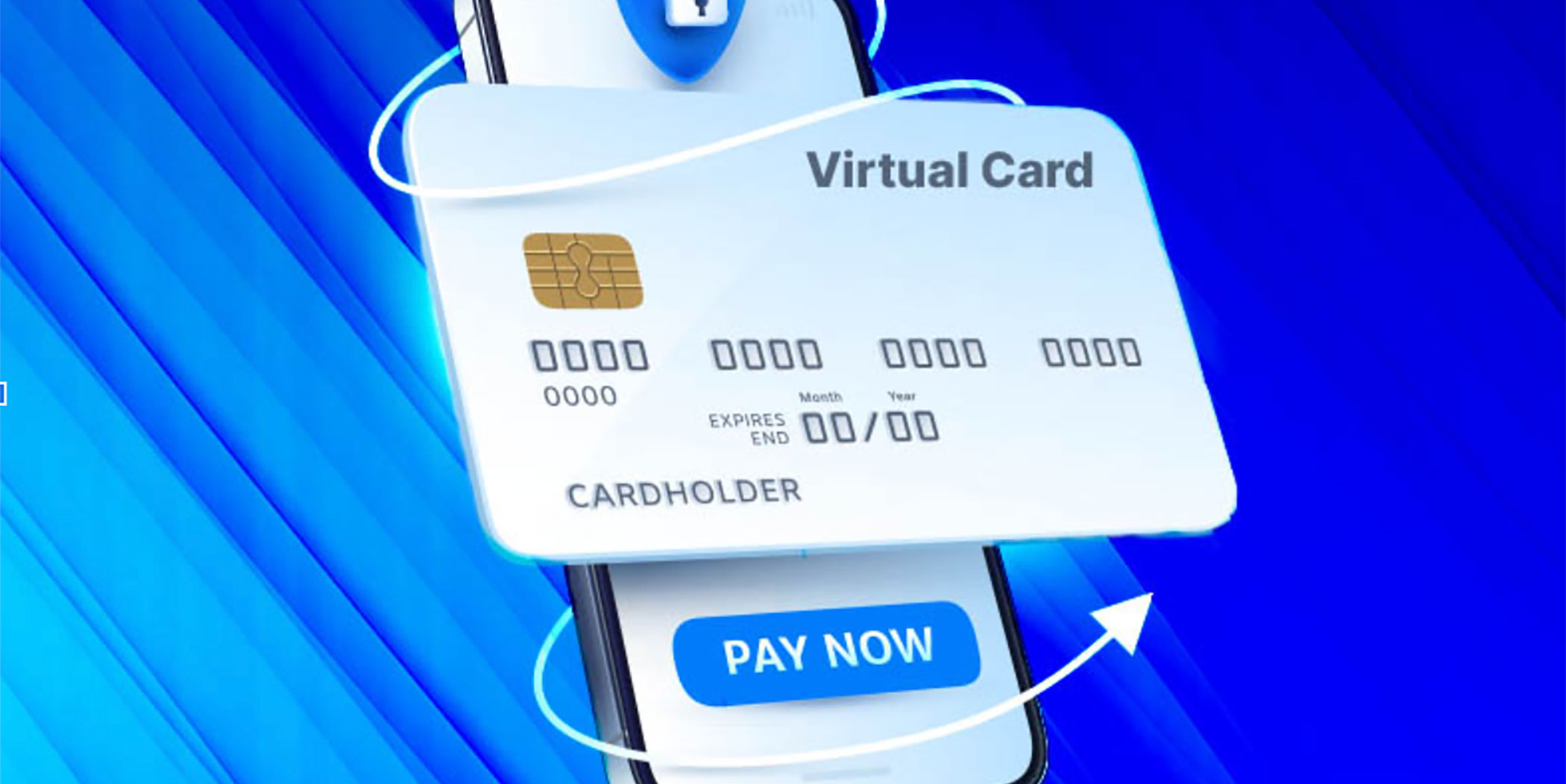
Virtual credit cards fix this. They're digital payment numbers that work like regular credit cards but exist only online. No plastic. No waiting for mail delivery. Just instant payment numbers you can create, control, and cancel whenever needed.
Businesses generate these cards in seconds through specialized fintech platforms like Penny Inc. Each virtual card gets its own 16-digit number, expiration date, and security code. But here's what makes them different: you decide exactly how each card works before anyone uses it.
The Core Mechanics Behind Virtual Cards
Think of virtual credit cards as temporary aliases for your real payment account.
When you create one, the system generates a unique card number linked to your main credit line or bank account. The merchant sees only this temporary number. Your actual account details stay hidden. If someone steals that virtual number? Cancel it. Your real account remains untouched.
According to J.P. Morgan, businesses can generate these numbers instantly for single transactions, limiting payee access to only approved fund amounts. This works because each card connects to your funding source but operates independently.
The process happens through APIs and payment networks. You request a card through a platform and the system checks your available credit or balance. Then, it creates a virtual card number that routes through Visa, Mastercard, or other payment networks just like physical cards do.
How Businesses Actually Use Virtual Cards
Companies deploy virtual cards in ways physical cards can't match.
First, they create unique cards for different vendors. One card for your software subscriptions, another for advertising spend, and a third for office supplies. Each vendor gets their own number. If one vendor has a data breach, only that single card number matters. Cancel it, issue a new one, done.
Second, they set spending controls before transactions happen. You can:
- Lock cards to specific dollar amounts
- Set expiration dates (some cards last hours, others months)
- Restrict purchases to certain merchant categories
- Tie cards to individual campaigns or projects
- Generate single-use cards that die after one transaction
Third, companies use virtual cards for campaign tracking. Marketing teams create separate cards for each advertising platform. Now spending on Facebook, Google, and TikTok shows up as distinct line items. No more digging through statements trying to figure out which charge went where.
The features offered by platforms typically include unlimited card generation, real-time transaction data, and integration with accounting systems. This turns payment data into useful information instead of monthly reconciliation headaches.
Security Advantages That Actually Matter
Virtual cards reduce fraud risk through isolation and control. When hackers breach a retailer's payment system, they steal card numbers. With physical cards, that stolen number links directly to your credit line. With virtual cards, they get a number that's either already expired, limited to $50, or restricted to a specific merchant category that doesn't match what they're trying to buy.
Research from CNBC Select shows virtual card numbers provide an extra security layer for online transactions. The temporary nature of these numbers means stolen credentials have short useful lives.
Plus you control deactivation. Suspicious charge appears? Kill that card number immediately. No calling customer service. No waiting for replacements. Just instant shutdown.
The payment data stays cleaner too. Each transaction includes the specific virtual card details, making it obvious which department, employee, or campaign generated each charge. This visibility catches unauthorized spending faster than monthly statement reviews.
The Economics Behind Free Virtual Cards
Most virtual card platforms don't charge issuance fees. Sounds too good, but the business model makes sense.
These platforms earn revenue from merchant fees, also called interchange fees. Every time someone uses a credit card, the merchant pays roughly 2-3% to the payment network and card issuer. Virtual card platforms take a portion of these fees.
For businesses, this creates interesting economics. You get unlimited card creation at zero cost. The platform profits from transaction volume. And in some cases, like with Penny Inc's pricing model, businesses can actually earn rebates on their spending through merchant fee sharing.
This shifts virtual cards from a cost center to potentially a small profit center. Spend a million dollars on advertising through virtual cards, earn back a percentage of the merchant fees. Physical cards don't offer this.
Technical Requirements and Setup
Getting started requires less than you'd think. Most platforms need basic business verification, bank account connection, and credit approval. The process typically takes a few days for initial setup. After that, creating new cards happens instantly.
Integration depends on your existing systems. Simple setups work through web dashboards where you manually create and manage cards. More advanced deployments use APIs to generate cards programmatically, sync transaction data with accounting software, and automate card creation based on triggers.
Security compliance matters here. Reputable platforms maintain PCI-DSS certification, SOC2 compliance, and often ISO 27001 standards. Penny Inc lists memberships and accreditation publicly, including associations like CFES and ACAMS that focus on financial standards and anti-money laundering.
You'll also need to consider BIN management. That's the Bank Identification Number, the first six digits of any card number. Different BINs come from different bank partners and have different acceptance rates across merchants. Platforms with multiple BINs let you rotate between them if one gets flagged or declined.
Common Limitations Worth Knowing
Virtual cards don't work everywhere. Some merchants require physical card presentation. Hotels often want a card to swipe at check-in, gas stations with pay-at-pump systems sometimes reject virtual numbers and car rentals get complicated. Basically, anywhere that needs a physical card won't accept a virtual one.
Also, some virtual cards lack the full 3D Secure verification that certain e-commerce sites require. This is getting better as platforms upgrade their authentication systems, but occasional declines still happen.
And virtual cards require internet access to create and manage. If your platform goes down or you lose connectivity, you can't generate new cards. Existing cards keep working since they route through standard payment networks, but creation stops.
Real-World Impact on Business Operations
Companies using virtual cards report faster reconciliation and clearer spending visibility. The finance team stops chasing employees for receipts because transaction data includes all the card-specific details they need.
Marketing teams track campaign spending in real-time instead of waiting for month-end statements. Procurement gets better vendor payment tracking without managing dozens of physical cards.
Our team page describes how the Penny platform specifically addresses these workflow improvements through unlimited card issuance and built-in payment analytics.
Decline rates often drop too. When cards are purpose-built for specific transactions with appropriate limits and merchant category codes, payment networks flag them less often as suspicious. This matters for high-volume operations where even small decline rate improvements add up.
Where Virtual Cards Are Heading
Adoption keeps growing as more businesses discover the control benefits.
Younger companies, especially those born digital, default to virtual cards from the start. They've never dealt with physical corporate card programs and don't see the need. Older enterprises are slower but moving, particularly in departments like marketing where campaign tracking demands better payment data.
Platform capabilities keep expanding. Early virtual card systems just generated numbers. Modern platforms add features like automatic card creation based on vendor invoices, integration with procurement workflows, and machine learning that flags unusual spending patterns before they become problems.
The technology itself is solid and mature. Payment networks handle virtual card transactions identically to physical ones. The infrastructure exists. Now it's about businesses recognizing that payment methods can be tools for better financial control instead of just ways to move money.
Making the Switch
Transitioning to virtual cards doesn't require ripping out existing payment systems.
Most companies start small. They create virtual cards for specific use cases like digital advertising or software subscriptions. Test the workflow. Learn the platform. Then expand to more payment categories as comfort grows.
The contact team at platforms can usually help map current payment workflows to virtual card solutions. They've seen common implementation patterns and know which approaches work.
Key decision factors include card generation limits (some platforms cap you, others offer unlimited), integration capabilities with your accounting systems, available BINs and bank partners, compliance certifications, and of course, pricing structure.
Virtual cards won't replace every business payment. But for online transactions, vendor payments, and campaign spending, they offer control and visibility that physical cards simply can't match. The technology works. The economics make sense. And the operational benefits show up immediately in cleaner financial data and reduced fraud risk.

